Why Fire and Flammability Testing Is Essential
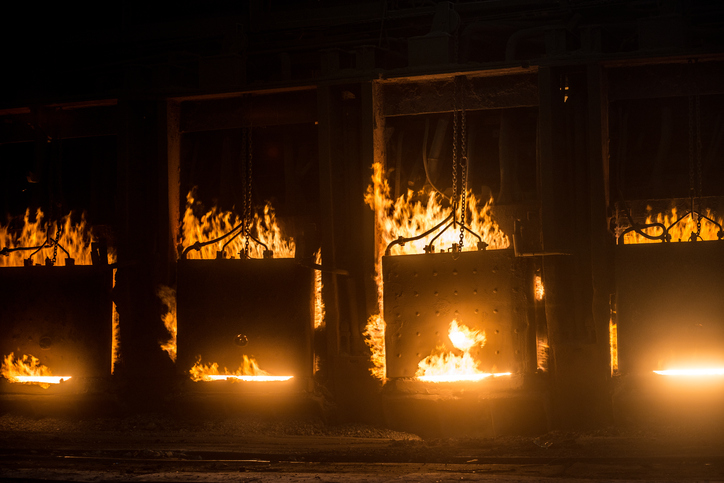
Today, international and federal standards require many industries to test and evaluate their product or material’s reaction when exposed to fire. While that is one reason fire and flammability testing is essential, there are several other motives for taking a proactive approach in assessing your product or material’s characteristics and reaction to environmental factors, like fire.
Key Takeaways
- Fire and flammability testing covers three distinct measurements: how easily a material ignites, how quickly fire spreads across it, and how long it resists burning before failing.
- International and federal standards make this testing mandatory across industries like aerospace, construction and consumer electronics, not just a nice-to-have.
- Passing flammability testing can double as a competitive advantage, since buyers increasingly look for products validated as safe.
- VTEC Laboratories has run fire and flammability testing for more than four decades, alongside newer service areas like lithium-ion battery safety testing.
What Is Fire Testing?
Fire testing intends to understand the influence of a direct flame on a material or product. Companies may analyze the effect on wiring or cable, building materials or furnishings. Another set of products that typically undergo fire testing are those designed to be fire-resistant, such as specific doors and windows.
Types of Fire and Flammability Testing
Fire and flammability testing encompass three areas:
- Flame Ignition: This study focuses on how a product or material responds to a fire under controlled conditions, which may have a set temperature, airflow or pressure. In addition to evaluating your material’s response, its decomposition and how that affects the fire is assessed, as well.
- Flame Spread: This test centers on how your product’s material composition affects the spreading of fire. A cable, for example, may be examined to see if it releases particles that help a fire spread. The rate at which a fire spreads, as well as its growth, is also reviewed during this fire and flammability test.
- Fire Resistance: This analysis concentrates on how effective your product is at enduring a fire. Products often tested for fire resistance include doors or windows designed to withstand fire for an extended period, such as 90 minutes for a fire-resistant door.
Why Is Fire Testing Critical?
Fire testing is critical for a few reasons, including:
- To deliver measurable results regarding the reaction of a product to flame exposure
- To verify or deny the predicted response of a material or product to fire
- To provide the necessary evidence for receiving a product certification or approval for sale
Evaluating your product’s reaction to fire also offers the benefit of enhancing your company’s competitive edge in the marketplace. Consumers, whether they’re businesses or individuals, want to purchase products that are tested and validated as being safe to use.
What Industries Require Fire and Flammability Testing?
Per international and national standards, several sectors must complete fire and flammability testing, including:
- Aerospace
- Construction
- Engineering
- Telecommunications
- Defense
- Consumer electronics
While some industries may be exempt from flammability testing, many still invest in it for the additional selling point, as well as to meet the company’s internal standards for quality, safety and performance.
Frequently Asked Questions
What’s the difference between flame ignition, flame spread, and fire resistance testing?
Flame ignition testing measures how easily a material catches fire under controlled conditions. Flame spread testing measures how quickly fire moves across a material once it’s burning.
Fire resistance testing measures how long a material can withstand fire before it fails, which is why doors and windows are often rated in minutes rather than a simple pass or fail.
Which industries are required to do fire and flammability testing?
Aerospace, construction, engineering, telecommunications, defense and consumer electronics companies most commonly need to test for fire and flammability, though requirements vary by product and jurisdiction. VTEC Laboratories works across these industries and several others.
How long does fire and flammability testing take?
Turnaround varies by test method, but VTEC Laboratories can typically begin testing within about two weeks of receiving samples and payment, compared with the months some labs need just to respond to an inquiry.
Does fire and flammability testing apply to lithium-ion batteries?
Yes. As more products rely on rechargeable batteries, lithium-ion battery testing has become one of the more urgent applications of fire and flammability testing, particularly for e-bikes, e-scooters and other consumer electronics.
How do I know which fire test my product needs?
VTEC Laboratories can help you match your product to the right method. Browse the full list of test specifications or contact VTEC Laboratories to discuss your project.
Learn More About Fire Testing
At VTEC Laboratories, we are a world leader in fire and flammability testing. With more than four decades of experience, we deliver superior service that provides your company with the results and actionable recommendations you need to ensure your product enters the marketplace safe for use.
That same expertise extends to specialized programs like lithium-ion battery testing, an increasingly important service as more products rely on rechargeable batteries.
Find out more about our fire and flammability testing by contacting us online today or calling us at (718) 542-8248.