ASTM G154 vs ASTM G155: Which Accelerated Weathering Test Do You Need?
Key Takeaways
- ASTM G154 is used for UV-focused accelerated weathering screening.
- ASTM G155 is used for broader full-spectrum sunlight simulation.
- The right method depends on the material and test objective.
- Some projects must follow a specified weathering standard.
When engineers need to figure out how materials may change after long-term outdoor exposure, but without spending months or years gathering these results, they’ll use accelerated weathering testing that can get them those results in a couple of weeks.
The choice of how to go about this comes down to two ASTM weathering standards. ASTM G154 vs ASTM G155.
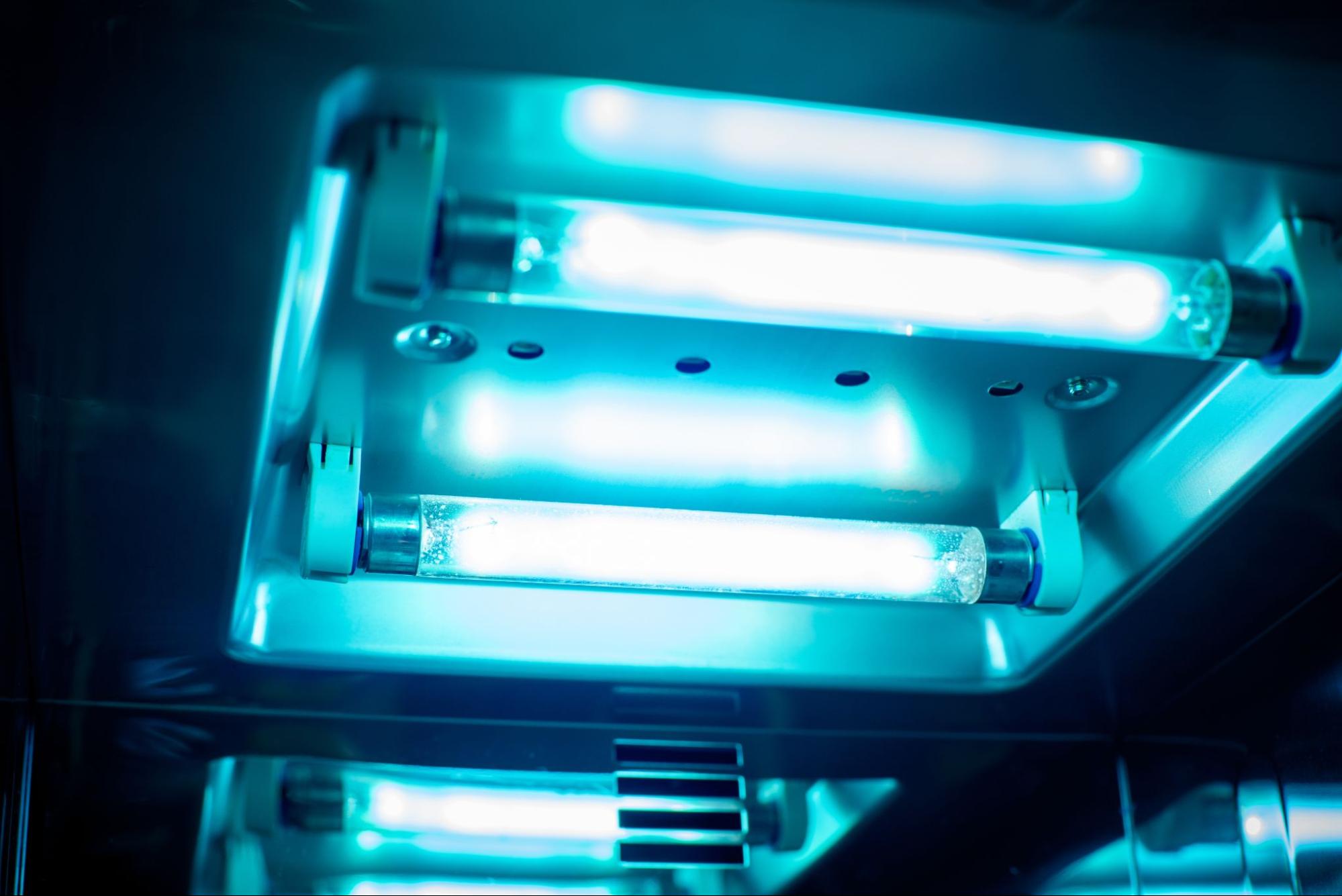
ASTM G154 is a specific type of accelerated UV testing that uses fluorescent UV lamps to concentrate on UV damage and moisture cycling.
ASTM G155, also known as xenon arc weathering testing, uses a xenon arc source to simulate a broader solar spectrum with light, heat and moisture.
Let’s first discuss both of them in a bit more detail.
ASTM G154 Overview
ASTM G154 is the primary standard for fluorescent UV weathering testing. It is a method designed to identify how materials degrade under the most damaging portion of the solar spectrum and it’s typically done in QUV testing chambers.
It’s important in the ASTM G154 vs ASTM G155 comparison because exclusively focusing on UV rays is a cost-effective screening tool for manufacturers of coatings, plastics and sealants who need to evaluate a material’s resistance to polymer breakdown.
The method alternates UV exposure and condensation cycles to simulate outdoor conditions like this:
- During the UV cycle, the lamps stay at a constant temperature to promote photodegradation.
- In the condensation cycle of this accelerated UV testing, the lamps turn off and the chamber uses heated water to create a high-humidity environment that causes moisture to settle on the test specimens.
ASTM G155 Overview
This accelerated aging test is the primary ASTM standard for xenon arc weathering testing. It is designed to provide the most realistic outdoor aging simulation available in a laboratory setting.
Unlike other methods that only focus on the specific light frequencies, ASTM G155 is important in the ASTM G154 vs ASTM G155 debate because it uses a xenon arc lamp to achieve a full-spectrum sunlight simulation.
By using specific optical filters, the equipment replicates the entire range of solar radiation, which is necessary since many materials are sensitive to more than just UV rays. Heat and visible light also contribute to color fading and chemical breakdown.
In the test, the specimens are subjected to a combination of heat, light, and moisture by alternating between intense light cycles and water spray or high-humidity intervals to mimic the environmental stress of dew, rain, and thermal expansion that a product would face in the real world.
ASTM G154 vs ASTM G155: Side-by-Side Comparison
| Comparison Point | ASTM G154 | ASTM G155 |
|---|---|---|
| Light source | Fluorescent UV lamps | Filtered xenon arc lamp |
| Spectrum emphasis | Primarily short-wave UV | Full-spectrum sunlight simulation |
| Moisture simulation | Condensation and optional water spray | Humidity and/or water spray, depending on the cycle |
| Environmental realism | Focused UV-and-moisture screening | Broader outdoor sunlight simulation |
| Test complexity | Generally simpler and more cost-effective | Generally more complex and application-driven |
| Typical materials | Coatings, plastics, sealants, rubber | Plastics, coatings, construction materials, automotive and aerospace components |
| Best use case | Fast comparative screening for UV-driven degradation | Product qualification or realistic solar insulation |
Industry Use Cases
The choice between ASTM G154 vs ASTM G155 comes down to the specific failure mode an industry is trying to prevent. While some industries use both xenon arc weathering testing and accelerated UV testing methods, most will lean on one for the primary performance metrics.
- Plastics and Polymers: ASTM G154 isolates UV-driven polymer chain scission to quickly identify risks of surface cracking, embrittlement and loss of structural integrity.
- Coatings and Paints: Here, ASTM G154 is commonly used for gloss retention screening, while G155 is chosen for its architectural colorfastness when coatings need to resist both chalking and fading.
- Construction Materials: The ASTM G154 vs ASTM G155 comparisons are few since ASTM G155 is often selected for its ability to simulate full-spectrum sunlight, heat and moisture conditions that affect long-term outdoor performance.
- Aerospace Materials: These also often require ASTM G155 to verify material durability against high-altitude solar radiation and to keep the components safe and stable under demanding environmental conditions.
What Specifications Require a Specific Test?
In some cases, engineers do not really have a choice since factors like regulatory compliance and contractual obligations can often dictate the selection of a specific weathering protocol. Here is why artificial weathering choices may not always come down to ASTM G154 vs ASTM G155.
- Product durability standards established by regulatory bodies may mandate one method to ensure public safety or structural reliability.
- In high-stakes sectors like aerospace and defense, customer performance specifications can often require xenon arc weathering testing to guarantee color stability.
- Certification testing programs also use these ASTM standards as unbiased benchmarks to verify a manufacturer’s lifespan claims before awarding industry-recognized seals of approval.
Choosing The Right Weathering Test
A useful way to frame the decision between ASTM G154 vs ASTM G155 is this:
- Choose ASTM G154 for accelerated UV screening / UV exposure testing when UV and moisture are the primary degradation concerns and you need fast, cost-effective comparative data.
- Choose G155 when you need a broader solar simulation, especially for consumer-facing products, textiles, and materials where fading or heat-related degradation is a concern.
Work With Us
At VTEC Laboratories, we can help you choose the right weathering test. We also offer reliable custom solutions using our advanced weathering test chamber technology. Therefore, if you’re still stuck in the ASTM G154 vs ASTM G155 comparison phase, let’s get your projects back on track. Contact us today.
Frequently Asked Questions
Can results from ASTM G154 be converted to ASTM G155 data?
No. These are fundamentally two different methods with no mathematically defined shift factor.
Which test is faster for identifying physical material failure?
Xenon arc weathering testing or ASTM G154. This is because it focuses more intensely on UV-driven degradation.
Can these tests simulate indoor light exposure through windows?
Yes, in some cases. We may recommend ASTM G155 for that type of work because xenon arc testing can be configured to better represent sunlight filtered through window glass.